
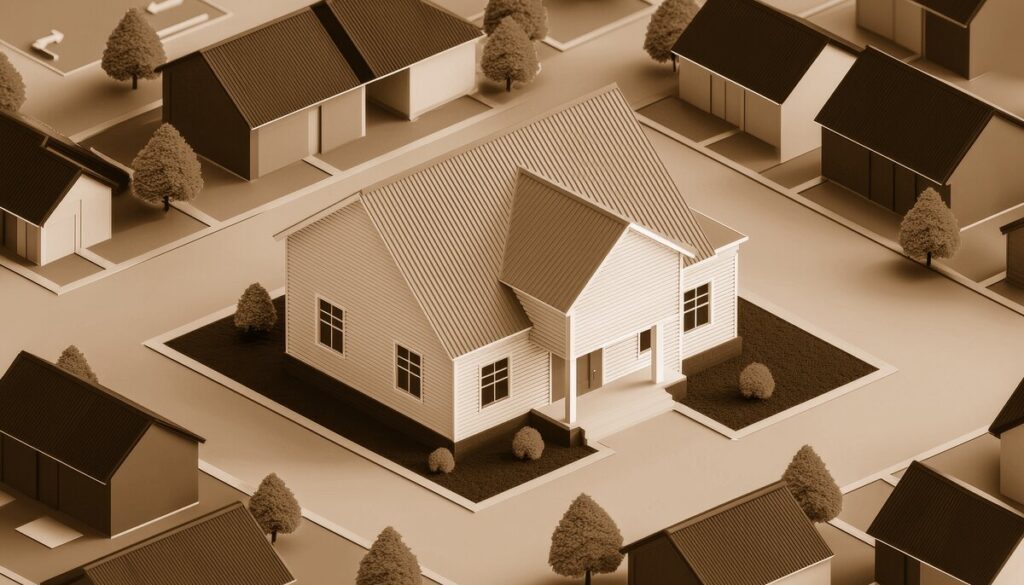
A Neighborhood Rooted in Lorain’s Past
Nestled in the heart of Lorain, Ohio, the Westwood Park neighborhood is much more than a collection of streets and homes — it’s a tapestry woven with stories, traditions, and a deep sense of community pride. For generations, Westwood Park has been a cherished enclave, shaped by a vibrant history and the families who have called it home.
How Westwood Park Got Its Name
The name “Westwood Park” carries a resonance of tranquility and green space, a nod to both the western part of the city and the wooded areas that once blanketed its land. In the early 20th century, as Lorain began to expand, developers sought to create residential spaces that balanced urban accessibility with the peacefulness of nature. The proposed neighborhood, bordered loosely by West Erie Avenue to the north and Leavitt Road to the west, was dubbed “Westwood Park” to evoke a park-like setting and invite families to put down roots.
The Early Days: From Farmland to Community
Before the houses went up and the sidewalks were poured, Westwood Park was primarily farmland and scattered woodlots. The neighborhood started taking its modern shape after World War I, during an era when Lorain was booming due to its steel mills and lakefront industries. Families seeking stability outside the industrial core found Westwood Park appealing — a safe and inviting place to grow.
By the 1920s and ’30s, the first wave of bungalows and colonial-style homes lined streets like Oberlin Avenue, Marshall Avenue, and Homewood Drive. These early residents included steelworkers, small business owners, and teachers, all drawn by the promise of space and neighborhood camaraderie.
Key Milestones and Moments
- 1930s-1940s: Amid the Great Depression and later WWII, Westwood Park’s growth slowed but never stopped. Victory gardens appeared in backyards along Grove Avenue and pop-up stores on Leavitt Road provided staples during rationing years.
- 1950s Boom: The postwar economic surge brought a flurry of new construction. Brick Cape Cods and split-levels filled in side streets like Ridgeway Boulevard and Graham Drive, while Westwood Boulevard became a main neighborhood artery lined with sturdy shade trees.
- School Spirit: The construction of Westwood Elementary School in the 1950s on West 34th Street became a cornerstone for families. The school’s playgrounds and after-school programs fostered community bonds and remain beloved to this day.
- Parkland Pride: Westwood Park itself — the green space that shares the neighborhood’s name just off Homewood Drive — has hosted countless Little League games, summer picnics, and Fourth of July celebrations. Generations of kids have made memories on its ballfields and under its old oaks.
Landmarks: More Than Bricks and Mortar
Certain buildings and places stand out as touchstones for residents past and present:
- Westwood Park Playground: This city park is much more than swings and slides. It’s a living landmark, where community sports, festivals, and family reunions have taken place for decades.
- Historic Homes: The neighborhood is dotted with well-kept homes built in the 1920s and ’30s, especially along Marshall and Grove Avenues. Many still carry original architectural details, from leaded glass windows to red brick facades.
- Westwood Elementary School: Its proud blue ribbon status and distinctive mid-century design make it more than just a schoolhouse — it’s a point of neighborhood unity.
- Sacred Heart Chapel: This historic Catholic church, set on West 28th Street, has served generations of Westwood Park families, providing a spiritual anchor and active parish life.
Evolution Through the Decades
Westwood Park’s story is one of constant, gentle evolution. As industries changed and new waves of residents arrived, the neighborhood adapted while still holding tight to its roots.
- 1960s-1980s: Larger homes sprouted, reflecting growing families and new architecture trends. The city’s tree-planting initiatives brought maples and elms to every block, cementing the green, welcoming feel.
- Community Care: Local associations, like the Westwood Park Residents Association, emerged to advocate for safety, beautification, and unity. Block parties and annual festivals became treasured traditions.
- Modern Day: Today, Westwood Park is a tapestry of ages and backgrounds. Diverse families, retirees, and young professionals all call its tidy streets home. Many homes have been lovingly renovated, featuring modern updates while preserving original charm.
Westwood Park remains walkable and welcoming. The presence of local institutions — from the timeless Westwood Park to neighborhood eateries along Oberlin Avenue — means there’s always a friendly face or familiar sight just around the corner.
What Makes Westwood Park Special?
Ask any longtime resident what sets Westwood Park apart, and you’ll hear about the genuine sense of belonging. Neighbors look out for one another, lawns are well-kept, and pride of ownership shines through. Seasonal decorations, porch conversations, and the laughter of children riding bikes down Homewood Drive evoke a simpler time that never really left.
And when the Lorain summer is in full swing, Westwood Park’s leafy sidewalks and sprawling park come alive. The glide of rollerblades along Leavitt Road, kids catching fireflies after dusk, and the buzz of community events at Westwood Elementary remind everyone why this neighborhood endures.
Honoring the Past, Looking to the Future
The story of Westwood Park is still being written by every new family that moves in, every garden planted, and every tradition passed down. Its legacy — of resilience, inclusion, and pride — endures in every brick, tree, and friendly hello.
Whether you’re reminiscing with a neighbor or strolling under the canopy of century-old maples on Ridgeway Boulevard, you’re part of a living heritage. Westwood Park stands as a testament to the best of Lorain: rooted in history, thriving in the present, and always looking forward.